
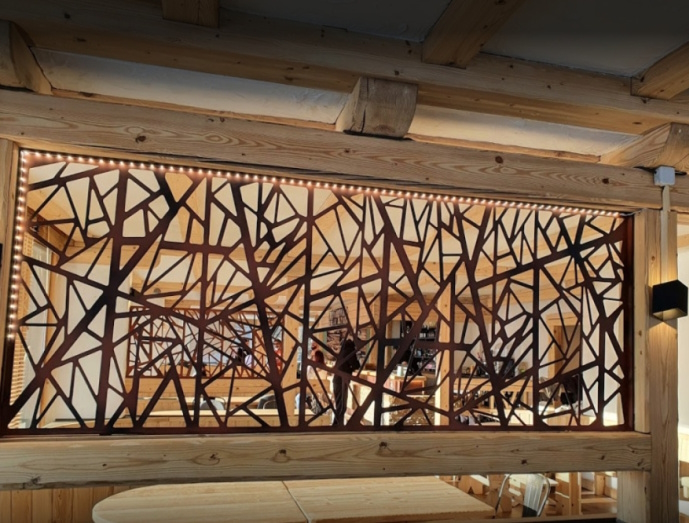
Custom rectangular wall decor
Custom rectangular wall decor
Custom-made rectangular decorative panels in different sizes can easily be used as wall decorations for several reasons. By using rectangles of different sizes, it is possible to create a varied and dynamic composition on the wall. This variety allows you to play with proportions and empty spaces, creating an interesting visual effect, as rectangular shapes are often associated with modern and contemporary design due to their clean geometry and ability to create complex geometric patterns. This can give a room a contemporary and stylish look thanks to the laser-cut mashrabiya theme.
Custom rectangular panels can be arranged to create repeating decorative patterns, diagonal lines, or eye-catching asymmetrical arrangements. This can transform an ordinary wall into an artistic focal point. Due to their shape, metal rectangles can be used to fill specific spaces on an apartment wall, such as corners or areas between windows, which can be difficult to decorate with other shapes.
Using rectangular tiles of different sizes allows for great creative freedom. Designers can experiment with colors, textures, and materials to create unique visual effects that reflect the style and personality of the space. By working on combinations of laser-cut patterns in different colors, we obtain a wide range of possibilities.
How to use a rectangle in decoration
The rectangular wall painting is an essential decorative element, capable of transforming and enriching various interior spaces, bringing a touch of sophistication and style to any room in the house. In interior design, it stands out for its versatility and ability to adapt to different contexts, whether in a house, apartment, hotel, restaurant, or other public places. In a living room, a rectangular painting placed above the sofa can become a focal point, naturally attracting the eye and giving character to the room through the beauty of modern mashrabiya. For a bedroom, the same type of painting can be installed above the headboard, adding a touch of elegance without cluttering the space. In small apartment entryways, a rectangular painting can be used to create a welcoming first impression, while in a living room or dining room, it can give the illusion of greater depth, especially when placed on the longest wall.
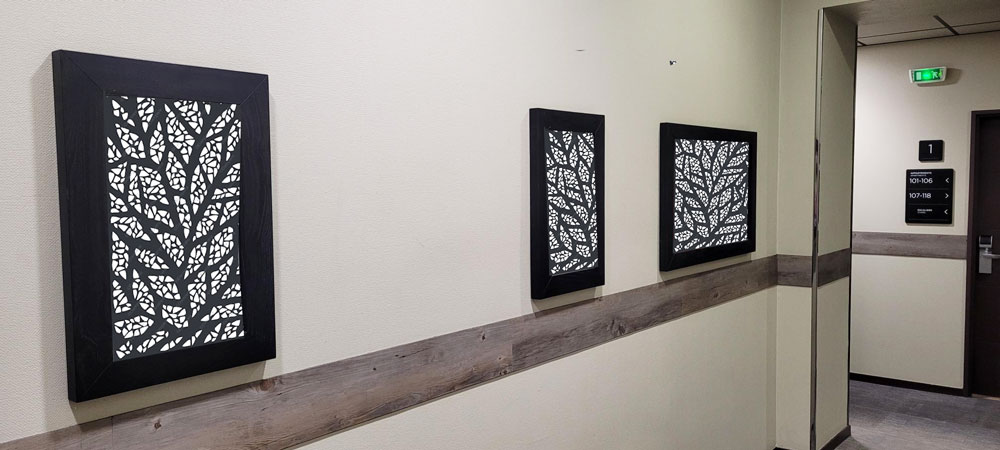
In the more formal setting of a hotel, a large rectangular painting above the reception desk can not only add a touch of luxury, but also serve as a conversation piece for guests. Hallways, which are often monotonous, can be embellished and enlivened by metal screens placed at regular intervals, subtly guiding guests to their rooms. For a restaurant, rectangular paintings are a powerful tool for creating a special atmosphere: abstract works can introduce a modern and vibrant note, while landscapes or naturalistic scenes can evoke a more soothing and relaxed atmosphere. Placing a rectangular painting behind the bar also helps to focus attention and complement the overall ambiance of the space.
In workspaces such as offices, a well-chosen rectangular painting can transform the environment into a more inspiring and welcoming space, while adding color and character. In meeting rooms, it can play a stimulating role by becoming a focal point that encourages creativity and discussion. Art galleries, meanwhile, find the rectangular frame an ideal format for presenting works in an orderly and visually appealing way. By playing with sizes and styles, galleries can create visual diversity that enriches the visitor experience.
The use of a rectangular wall art, whether placed in a domestic or commercial setting, adds depth, interest, and personality to any space. Its simple yet elegant geometric shape adapts to a multitude of styles and environments, making it as indispensable as it is versatile in the art of interior design.
Customized mashrabiya
Choosing a custom metal mashrabiya is an excellent way to incorporate a functional and aesthetic architectural element into a decoration project. Traditionally used in ancient architecture to filter light, ventilate spaces, and preserve privacy, the mashrabiya has now been reinterpreted in metal to suit the needs of modern spaces. This adaptation not only preserves its basic functions, but also enriches interior or exterior decoration with contemporary designs.
Why Choose a Custom Metal Mashrabiya?
Opting for a custom metal mashrabiya offers several advantages. First, it allows you to create a unique design that reflects the style and personality of the space. Unlike traditional wooden mashrabiya, metal ones can be manufactured to be durable, ensuring a long life and resistance to weathering. In addition, metal offers the possibility of creating highly detailed patterns using laser cutting techniques, making it even easier to work with complex shapes and, above all, to adapt to the varied curves of the plant mashrabiya. A foliage shape will be easier to achieve with laser cutting on metal.
A metal mashrabiya can be used indoors or outdoors to divide spaces, create patterns of light and shadow, or simply as a decorative element. It is particularly popular in renovation or new construction projects where the aim is to add a modern touch by using the same material on the exterior of the building for fencing and facades, which is then continued indoors for metal railings and screens.
How to Choose a Custom Metal Mashrabiya?
Using a mashrabiya configurator is a modern solution that greatly facilitates the selection of a customized metal mashrabiya. This interactive tool allows you to view the various customization options available in real time, such as the choice of materials, patterns, dimensions, and finishes. The configurator not only helps to ensure that the final product perfectly meets your expectations, but also allows you to view several configurations before making a final decision.
With a laser-cut panel configurator, decorators can adjust parameters such as metal thickness, decorative claustra patterns, cut shapes, and finish types (e.g., brushing or oven painting). By allowing users to immediately see the results of their choices, the configurator reduces the risk of errors and improves the efficiency of the design process. In addition, this tool often offers additional features, such as real-time cost estimates and the ability to save and compare different configurations, which is particularly useful for professionals managing multiple projects simultaneously.
A Modern Tool for Decorators
Using a configurator to choose a custom metal mashrabiya is not just a convenience; it is an essential tool for modern decorators and architects. It saves time, improves project accuracy, and guarantees a result that exactly meets the customer's aesthetic and functional requirements. What's more, by incorporating the latest 3D visualization technologies, the decorative sheet metal configurator provides a realistic representation of the final product, facilitating communication with clients and other project stakeholders.
Metal screen for modern interior decoration
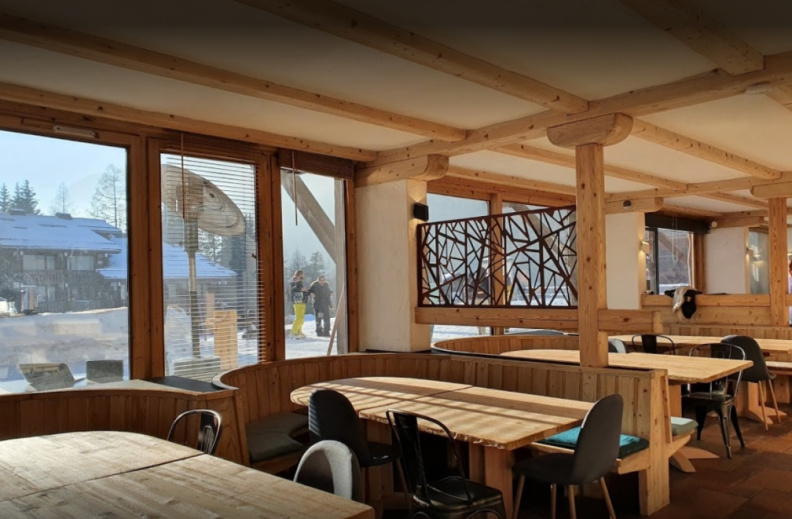
Laser-cut mashrabiya panels are an incredibly versatile custom decorative solution that can be used in a wide range of applications in modern interior design. Thanks to the precision of laser cutting, these panels can be used to create complex and unique patterns, offering complete customization to suit any interior style. As a screen, the mashrabiya panel adds an artistic and contemporary dimension, creating subtle separations between spaces while allowing light to filter through in a soft and elegant way. Used as a blind or screen, it plays an essential role in modulating light and preserving privacy, while adding a decorative element that enriches the atmosphere of the room with its play of light and shadow. As a privacy screen, the panel provides visual protection without completely blocking the view or airflow, perfect for configurations where you want to maintain a balance between privacy and openness. As a removable partition, the mashrabiya offers valuable flexibility in layout, allowing spaces to be easily reorganized according to changing needs, whether in dynamic work environments or modular living spaces. In addition, when used as a screen or divider, it clearly delineates spaces without obstructing light or views, ideal for lofts or open-plan offices. As a mobile screen, the mashrabiya panel is perfectly suited to spaces that require frequent mobility and reorganization, such as events or exhibitions. Finally, as a decorative partition panel, it combines design and functionality, adding an artistic touch while fulfilling its practical role of dividing space.
What is the price of a rectangular metal cutout?
The price of a custom-made rectangular metal panel at $50/m² can vary depending on several factors, including the type of metal used, the thickness of the material, the complexity of the cut, and, of course, the optimization of the raw material. Standard metal panels are often available in sizes of 1000 x 2000 mm, 1250 x 2500 mm, and 1500 x 3000 mm. Price optimization depends heavily on the ability to interlock the cuts in order to minimize waste and maximize the use of the available material.
Estimated price of a decorative metal plaque:
For a custom-made metal panel with optimized interlocking, prices can start at €80 for steel sheet and can exceed €300 per square meter for more expensive materials such as stainless steel or brass, especially if specific finishes or complex patterns are required.
Transport costs can be a significant additional expense, which is why we recommend formats that fit on a Euro pallet, i.e., less than 1200 x 800 mm.
Price Optimization through Industrial Interlocking
When you optimize the nesting of rectangular panels on standard formats of 1000 x 2000 mm, 1250 x 2500 mm, or 1500 x 3000 mm, you reduce metal scrap, which lowers costs. For example, by maximizing the number of parts that can be cut from a single sheet of metal, you can achieve substantial savings. Keeping a 2% margin is essential to ensure that the cut parts are clean and conform to the required dimensions.
Factors Affecting the Price of Decorative Sheet Metal
- Metal Type: Steel, aluminum, and stainless steel sheet metal are common choices, each with a different cost. For example, stainless steel is more expensive than steel, but offers better corrosion resistance.
- Material Thickness: Greater thickness (for example, 3 mm versus 1.5 mm) will increase the cost, not only of the material itself, but also of cutting, as more robust tools are required.
- Complexity of the decorative pattern: More detailed and intricate patterns require more cutting time, which can increase production costs.
- Optimization of cutting: Efficient nesting of parts in standard panels reduces material waste. The goal is to maximize the use of available surface area while maintaining a 2% margin of metal to ensure clean cutting.
Filling of guardrails with decorative panels
Since 2010, French standards for guardrails have evolved to enhance user safety while adapting to new trends in architectural design. The integration of decorative panels into metal guardrails, particularly on balconies, has grown in popularity, and these elements have become essential components for combining safety and aesthetics. As materials and manufacturing techniques have evolved, guardrails have also followed this trend, modernizing with increasingly customized designs.
Guardrail Standards and Safety: The Importance of Metal Base Panels
One of the major developments since 2010 is the mandatory addition of base plates to guardrails to prevent climbing, especially in homes where children may be present. The current French standard (NF P01-012 and NF P01-013) requires that guardrails prevent any passage or climbing over 450 mm, with particular attention to the minimum height of the handrail at 1 meter and the empty space between vertical or horizontal elements. Guardrail bases, which can be a rectangle of perforated or laser-cut metal, have become mandatory at a height of 45 centimeters to prevent feet from getting caught during an attempt to climb.
Design Trends: Incorporating Custom-Made Mashrabiya
The design of railings has also followed a growing trend toward customization. The integration of decorative perforated metal panels, particularly in the form of mashrabiya, has made it possible to combine safety and aesthetics. These panels, inspired by different architectural styles, allow for the creation of complex, personalized patterns while ensuring good ventilation and a pleasant play of light through the balcony railing. Metal mashrabiya is increasingly used not only for its aesthetic appeal, but also for its safety functionality, meeting current standards while offering a unique decorative touch.
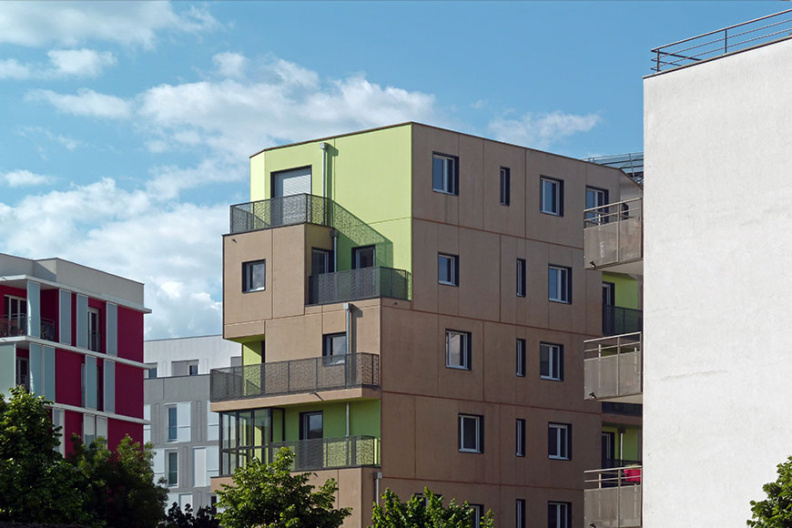
What Will Railing Infill Look Like in 2030? What Is the Design of the Future?
In 2030, decorative panel railings are expected to continue evolving with the integration of advanced technologies and innovative materials. Compliance with safety standards will remain a priority, with handrail heights exceeding 1 meter, stricter anti-climbing requirements, and a focus on finger pinch protection, but with greater flexibility in terms of design and customization. Decorative metal panels with mashrabiya patterns will become even more sophisticated and will likely feature additional functionalities, such as the integration of LEDs into the railing for nighttime lighting or advanced surface treatments for increased weather resistance. The energy required for production and CO2 emissions will also be a criterion for vigilance.
By 2030, railing infill will undoubtedly be a perfect fusion of enhanced safety, notably with solid bases gradually integrated into the railing infill or subtly incorporated into the metal frame, and customized designs that play on transparency, light, and digital craftsmanship. Architects and designers will have even more powerful tools at their disposal to create railings that not only protect, but also become works of art in themselves, transforming balconies into true design pieces while complying with the most stringent standards.
