
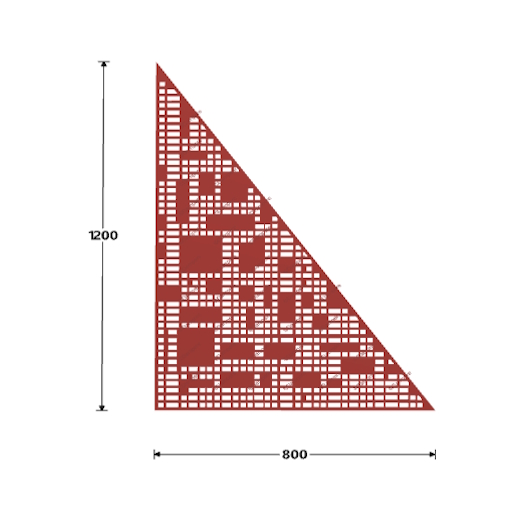
Custom-made decorative triangle
Custom-made decorative triangle
Custom-made triangles of different sizes can easily be used as wall decorations for several reasons. By using triangles of different sizes, it is possible to create a varied and dynamic composition on the wall. This variety allows you to play with proportions and empty spaces, creating an interesting visual effect, as metal triangular shapes are often associated with modern and contemporary design due to their clean geometry and ability to create complex geometric patterns. This can give a room a contemporary and stylish look.
Metal triangles can be arranged to create repeating patterns, diagonal lines, or asymmetrical arrangements that capture attention. This can transform an ordinary wall into an artistic focal point. Due to their shape, steel triangles can be used to fill specific spaces on the wall, such as corners or areas between windows, which can be difficult to decorate with other shapes.
Using triangles of different sizes allows for great creative freedom. Designers can experiment with colors, textures, and materials to create unique visual effects that reflect the style and personality of the space. By working on combinations of laser-cut patterns in different colors, we obtain a wealth of possibilities.
How to use a triangle in decoration
The symbols of the triangle
The triangle is a powerful and versatile symbol in decoration and architecture, often used for its various meanings and aesthetic properties. Here are a few ways in which the triangle is incorporated into these fields:
In architecture, metal triangles are often associated with stability and strength. Their geometric shape allows for efficient load distribution and structural support, as in truss frames or triangular lattice beams. These applications can be seen in roofs, bridges, and other structures where strength is essential. The perforated metal triangle will perfectly complement the volume, giving an impression of strength.
In decoration, the steel triangle can symbolize harmony and visual balance. It is often used to create repetitive patterns or symmetrical arrangements that appeal to the human eye. For example, equilateral or isosceles triangles can be arranged regularly on a carpet, wallpaper, or tapestry, adding an aesthetic and geometric dimension to the space. In wooden furniture, metal triangles perfectly complement the wood grain.
In modern interior design and architecture, triangles are often used to represent modernity and innovation. Triangular metal shapes can be incorporated into contemporary furniture, lighting, and even building designs to give them an avant-garde and dynamic look.
In interior design, steel triangles can be used to delineate or define specific spaces. For example, an inverted triangle on the ceiling can create a visual effect of upward perspective, making the room feel more spacious and open.
Create an original triangle for interior design
The cut-out metal triangle is an interesting creative approach, whether for decoration, visual art, or even architecture. Integrating the shape involves a few steps:
- Choice of Form
- In terms of triangle types, there are several options available. Start by choosing the type of triangle you want to use: equilateral triangles are harmonious (three equal sides), isosceles triangles are balanced (two equal sides), and scalene triangles are highly original (no equal sides). The choice is made based on different visual possibilities.
- Adjust the orientation and size of the triangle. Your triangle can point up, down, or be tilted. The size can vary from very small to very large, depending on the desired visual effect.
- Exploring Metal Types
For a durable application, use different metals available in the custom triangle configurator, glass, or even recycled materials. Each material will have a different effect on the visual perception of the triangle, especially if you use a material with a noble metallic sheen such as brass, which will transform the perception of the room. Other materials are available for decorative triangles: raw steel, galvanized steel, aluminum, or stainless steel.
- Exploring Colors and Visual Effects
Experiment with a range of colors using the decor configurator. From bright hues to more subtle tones, the RAL color chart offers everything from white 9010 to black 9004, including shades of gray and red RAL 3000. No color is out of reach, as all RAL shades are available at the click of a button. Color contrasts can make the triangle more striking. By multiplying triangles of different sizes and colors, you can achieve a striking effect. Add effects such as shading, complementary colors, perforated sheet metal patterns, or laser-cut textures to make the triangle more visually appealing.
- Creative expression of the triangle in decoration
If you are looking to convey a message or concept through your triangle, consider symbolic or abstract elements that could be incorporated into its design. Adding round or square shapes to the triangle raises questions about the interlocking of shapes. Don't be afraid to experiment and innovate. Originality can often emerge from unexpected combinations of shapes, colors, and materials.
Example of an Original Triangle in decoration
Imagine a medium-sized equilateral triangle, made of micro-perforated aluminum to give a translucent effect, suspended from the ceiling of an entrance hall. This triangle is backlit by colored LEDs, creating a captivating lighting effect that changes color over time. The edges of the steel triangle are slightly textured to diffuse light softly and evenly throughout the surrounding space, creating a modern and welcoming atmosphere.
Shapes that complete a triangle
In interior design, the shapes that complement a triangle can vary depending on the decorative style and the desired visual effect. Here are some shapes commonly used to complement a triangle in interior design, which may serve as inspiration.
Circles offer an interesting visual contrast to the straight lines of the triangle. They can be used in pendant lights, mirrors, or side tables to soften the angles of the triangle. Feel free to combine a custom-cut circle with a triangle in your wall decor.
A rectangle in wall decoration can be juxtaposed with a triangle to create a repeating pattern or to frame a work of art. Rectangles or squares in wall decoration are used in furniture or as simple wall coverings.
Curved shapes complement the angles of the triangle, adding fluidity and softness to the space. Similar to curves, ovals or arch-shaped cutouts bring an organic feel while contrasting with the straight lines of the triangle. They are used in table lamps, rugs, or decorative patterns on fabrics.
By mixing several geometric shapes, you can create a visually dynamic and interesting composition. For example, an arrangement of triangles, circles, and rectangles can be used on a wall to create a gallery effect that showcases a collection of shapes and colors.
By thoughtfully and creatively incorporating these shapes, it is possible to effectively complete a triangle in interior design while creating an aesthetic and balanced environment. The goal is to play with contrasts, textures, and patterns to visually enrich the space and create a harmonious and inviting atmosphere.
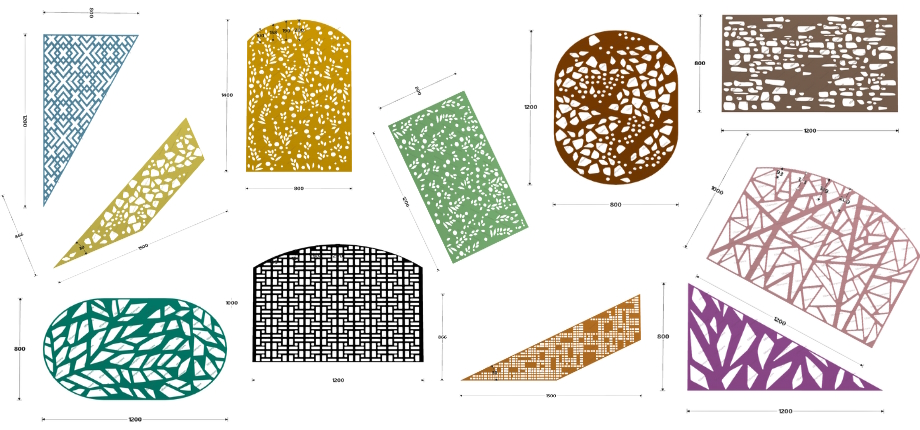
The Triangle guides your decorating choices
The tip of the triangle gives your decor a distinct and symbolic orientation, influencing the atmosphere and aesthetics of the space. There are several ways to view the triangle as an element that structures decor and visual space.
The tip of a decorative triangle creates a strong visual direction. Used vertically, it guides the eye upward, giving an impression of dynamism and elevation. This can be particularly effective in spaces where you want to accentuate height, such as entrance halls, stairwells, or building ceilings. The tip of the decorative triangle can also be tilted to create a subtle directional movement across the room, adding a dimension of fluidity and progression.
Due to its distinctive geometric shape, the tip of the steel triangle can serve as a focal point in decoration. It naturally attracts attention and can be highlighted by direct lighting or color contrasts.
The tip of the triangle can be used to create visual balance. When combined with other design elements, such as circular or rectangular shapes, it contributes to a harmonious composition. For example, in an arrangement of furniture or decorative objects on a shelf, an inverted triangle can counterbalance more rounded or straight-lined objects, creating a pleasing visual symmetry.
Due to its versatility, the triangle point can be used in a variety of decorative contexts. It works well in modern, minimalist, and geometric styles, as well as in more traditional or ethnic designs. Whether in architecture, furniture, textiles, or visual arts, the triangle point can be adapted to meet specific aesthetic needs while adding a unique and meaningful touch to the space.
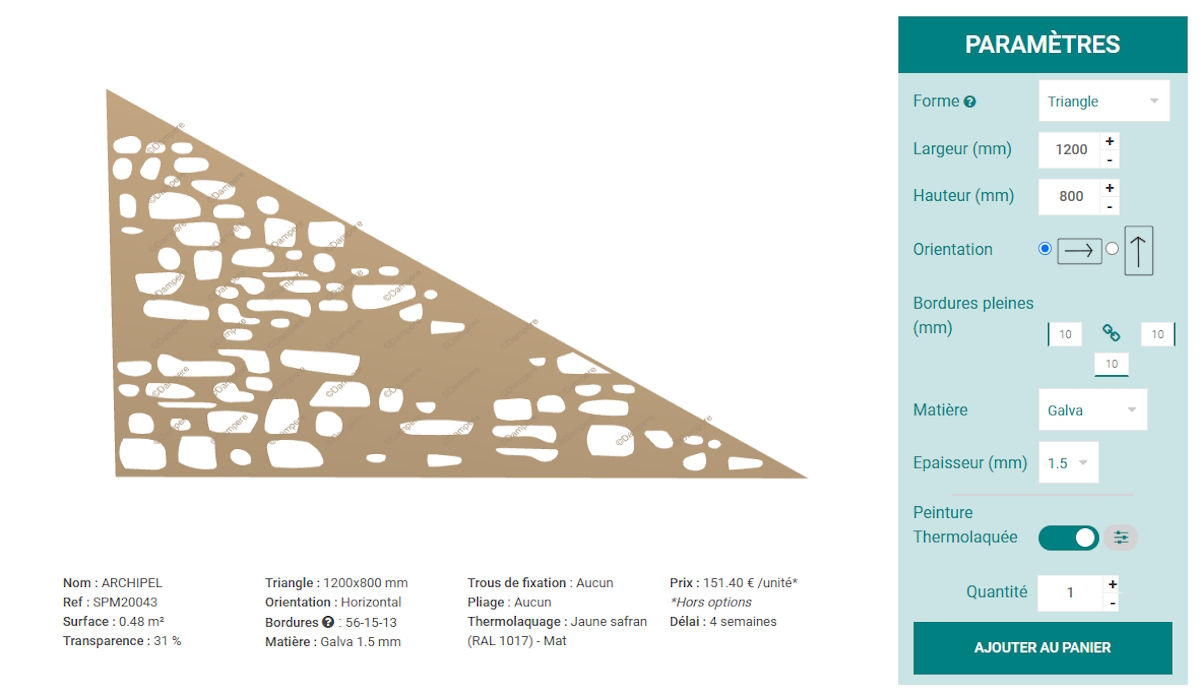
The Triangle for Transition and Dynamism in Decoration
The triangular shape offers a unique transition and dynamism in interior design, providing both bold aesthetics and smart functionality. The geometric triangular shape can transform your space with just a few carefully arranged fragments.
Metal triangles are often used to create a visual transition between different areas or elements of a room. For example, in an open-plan design, a wall with a triangular metal design can serve as a subtle separation between the living room and dining room without completely blocking the view. This approach allows spaces to be delineated while maintaining a fluid and unified flow.
With its clean lines and distinctive angle, the triangle can introduce a sense of depth and perspective into a space. Used on a wall as a pattern or architectural detail, it creates a visual effect that makes the room appear larger, more spacious, and airy.
The triangular shape brings dynamic energy to the decor. Its sharp angle and sloping sides capture attention and direct the eye to specific focal points, but triangular shapes can also be incorporated into the decor to play with contrast and visual balance. A furniture arrangement that includes triangular tables or shelves can counterbalance more rounded or rectangular elements, creating a harmonious and interesting composition.
The versatility of the metal triangle is evident in a variety of decorative styles. Whether in a minimalist setting where it is used for its geometric simplicity or in a more eclectic environment where it blends into complex patterns, the triangle easily adapts to individual aesthetic and functional preferences.
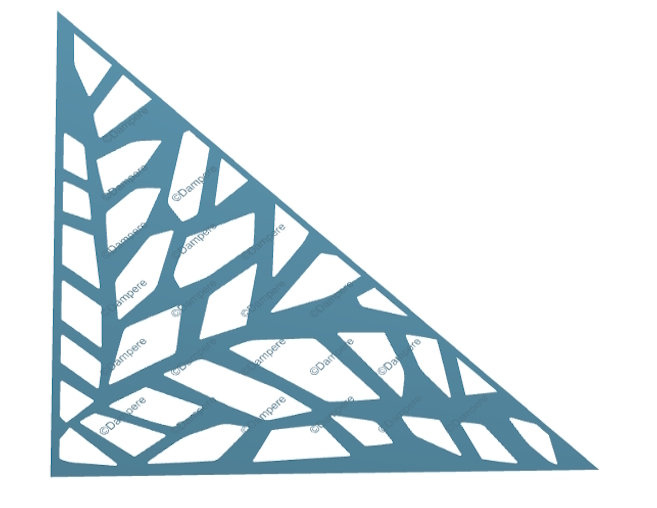
The triangle, the ultimate special shape
The triangle is a geometric shape that stands out for its special properties and unique aesthetic potential, which fits perfectly with many decorative styles.
The triangle has a long history of symbolism in various cultures around the world. It is often associated with concepts of stability, unity, and completeness. In esoteric traditions, it can represent spiritual or cosmic aspects such as the trinity or the manifestation of unified opposing forces.
In terms of visual composition, the metal triangle is known for its natural balance. With its equal sides and precise angles, it creates an impression of stability and order in an artistic composition. The use of triangles in interior design or architecture can therefore bring a sense of calm and visual harmony.
With its sharp angles and clean lines, the custom triangle introduces a distinctive visual dynamism. In architectural spaces, triangular shapes can be used to direct the eye toward specific focal points or to create visual movement that animates the environment.
The triangular shape is remarkably versatile. It can be used in a wide range of decorative styles, from minimalist to eclectic, and in contexts as varied as art, architecture, furniture, and even fashion. Its ability to integrate with different aesthetics and blend into complex compositions makes it a valuable tool for designers and artists.
In the contemporary context, the metal triangle is often used to express modernity, innovation, and creativity. Its use in bold architectural designs, art installations, and avant-garde furniture creations demonstrates its continued relevance in the world of contemporary design.
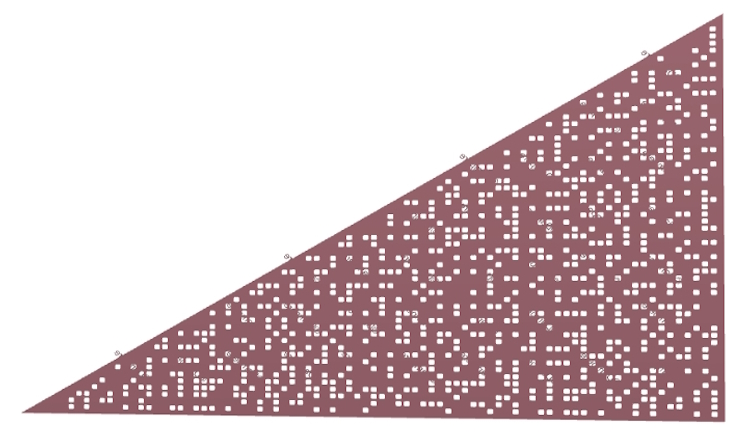
The triangle in stair decoration and protection
The triangle plays a crucial role in decorating and protecting staircases, providing both aesthetic appeal and functionality in protecting against the risk of falls.
Guardrails and handrails follow the triangular shape. Triangular balustrades bring a modern and sophisticated aesthetic to staircases. The triangular arrangement of the bars or perforated patterns creates an interesting play of light and shadow, adding visual texture to the space.
In addition to its decorative role, the triangle is also important for the safety and functionality of stairs:
Triangular balcony railings provide effective protection against falls while allowing maximum visibility across the staircase. The triangular design can be used to maximize safety while minimizing the visual impact on the surrounding space.
The triangular structure is inherently stable and strong. In stair construction, the use of triangular beams or supports can reinforce the stability and durability of the structure, ensuring long-term safe use.
Finally, the triangle allows for bold artistic and architectural expression:
In contemporary architectural projects, triangular staircases can be used as a distinctive and bold feature. Their innovative use in public or commercial spaces demonstrates a modern approach to design, highlighting creativity and originality.
The use of steel triangles in staircase design can also reflect the surrounding environment. For example, nature-inspired patterns, such as triangular leaves or geometric waves, can harmonize the staircase with the outdoor landscape or the thematic interior of a building.
How much does a custom-made triangular sheet metal panel cost?
The production of a decorative triangle can cost more than a rectangle of equivalent surface area due to several factors related to manufacturing methods.
Cutting triangular shapes is often more complex and requires specialized machines capable of handling precise angles. Comparatively, cutting a rectangle is generally simpler and faster, reducing labor costs and production time.
In addition, when cutting decorative triangles from metal sheets, there may be more waste compared to cutting rectangles. Triangles often leave unused areas or scraps that cannot be reused efficiently, thereby increasing material costs.
Handling and assembling triangles will be more complex than rectangles due to their angles and specific geometry. This may require more sophisticated assembly techniques or precise adjustments, increasing labor and assembly costs.
Decorative triangles may require surface treatments that can be more expensive to apply due to their unique geometry. Triangles do not interlock as well as identical square surfaces.
Therefore, you should expect to pay at least 15% more per square meter for a triangular shape than for a custom-cut square shape, which equates to an additional cost of €60 to €80 per piece to offset the additional production costs.
